Принты на футболках in 2024: what's changed and what works
T-Shirt Graphics in 2024: What's Changed and What Works
The t-shirt game has evolved dramatically over the past year. What killed it on Instagram in 2023 is already gathering dust in discount bins. Print-on-demand sellers are scrambling to keep up with aesthetic shifts that seem to change monthly, while established brands are wrestling with new production technologies that promise better quality at lower costs. Let's break down what's actually moving units right now and what you should leave behind.
1. Distressed and Vintage Effects Are Having Their Comeback Tour
Cracked ink effects and faded graphics that look like they survived a decade of wash cycles are everywhere again. But here's the twist—customers want them to look authentically worn, not like someone slapped a Photoshop filter on clip art. The winning designs combine retro typography with intentional imperfections: ink bleeds, uneven color saturation, and those perfectly imperfect registration marks that screen printers used to curse about.
Brands like Represent and Gallery Dept have pushed this aesthetic into the mainstream, with their distressed graphics selling for $80-150 per shirt. The DIY crowd is catching on too, using actual vintage printing techniques or high-quality digital mockups that nail the texture details. If you're going this route, study actual vintage tees from the 70s and 80s—the devil's in those details.
2. Oversized Graphics Are Dominating the Front
Forget that modest chest-pocket-sized logo. Graphics now stretch from armpit to armpit, sometimes extending all the way down to the hem. This maximalist approach works particularly well with bold typography and photographic elements that need breathing room. The oversized trend pairs perfectly with the boxy, relaxed fit that's replaced slim-cut tees across most demographics.
Print shops report that oversized designs (anything over 14x18 inches) now account for roughly 40% of their orders, up from maybe 15% two years ago. Just remember: bigger prints mean higher production costs, typically adding $2-4 per unit depending on your printer and quantity. Factor that into your pricing strategy or watch your margins evaporate.
3. Y2K Aesthetics Are Still Here (But Evolving)
The early 2000s revival isn't going anywhere, but it's maturing beyond basic butterfly graphics and baby tees. Think metallic effects, holographic elements, and those chaotic mixed-media collages that defined the Limewire era. The key is balancing nostalgia with modern design sensibilities—nobody wants an exact replica of what they wore in 2003.
Successful Y2K designs incorporate elements like pixelated graphics, chrome text effects, and references to flip phones or early internet culture without feeling like a costume. Brands targeting Gen Z are crushing it with this approach, particularly when they layer in current meme culture or social commentary. The sweet spot hits around $35-45 retail for independent brands.
4. Minimalist Text-Based Designs Remain Surprisingly Strong
While everyone's chasing the next viral graphic style, simple text-based designs keep selling consistently. We're talking clean typography, single-color prints, and messaging that ranges from philosophical quotes to sardonic humor. The production costs are low (single-color prints run $1-2 per unit at volume), and they appeal to customers who want to make a statement without screaming it.
The trick is nailing the font choice and message. Generic motivational quotes are dead on arrival. What works: hyper-specific humor, cultural references that resonate with niche communities, or provocative statements that spark conversation. Think less "Good Vibes Only" and more "I'm Just Here for the Complimentary Beverages."
5. Direct-to-Film (DTF) Is Changing the Production Game
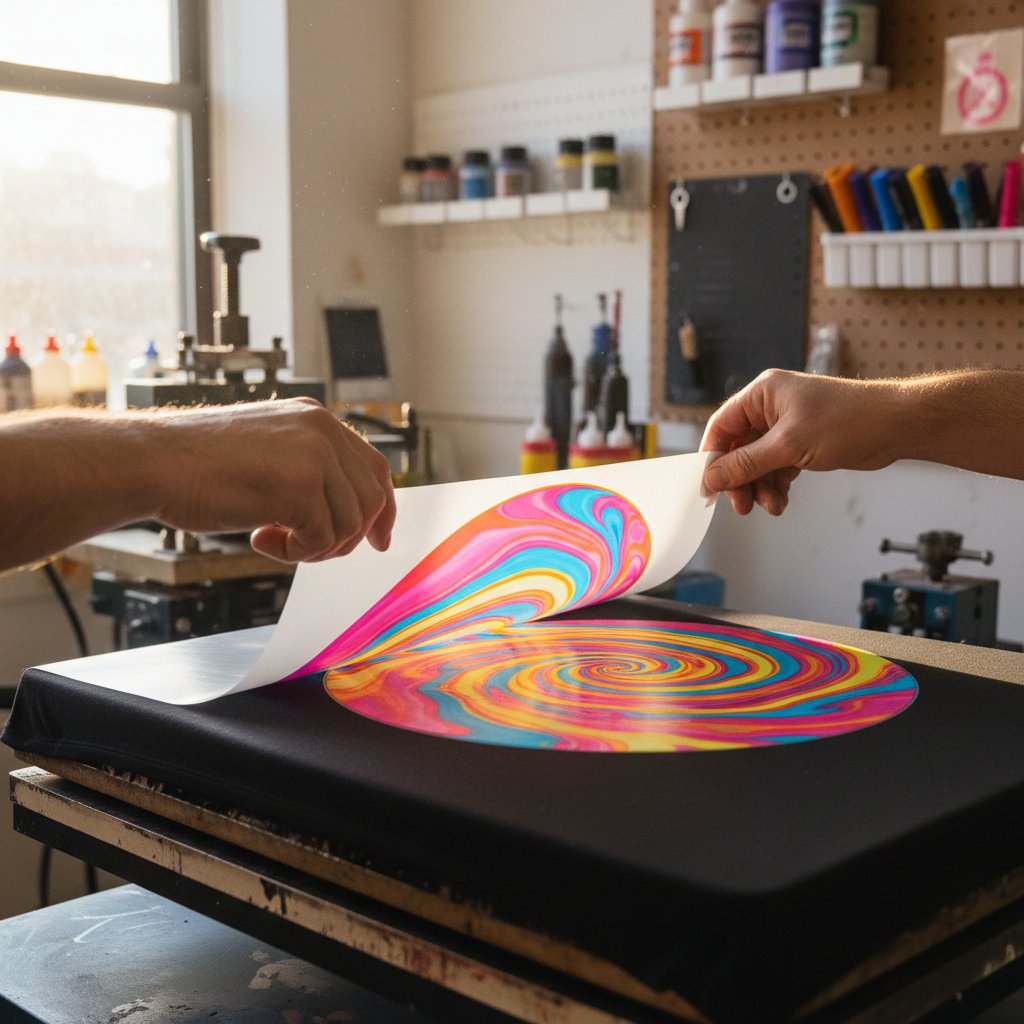
This printing method has exploded in the past 18 months, and for good reason. DTF produces vibrant, detailed prints on any fabric color without the setup costs of traditional screen printing. For small batch producers, this is revolutionary—you can print 10 units economically instead of needing 50-100 to justify screen setup fees.
The quality sits between screen printing and direct-to-garment, with better durability than DTG and more color vibrancy than vinyl. Shops are charging roughly the same as screen printing ($5-8 per print at low volumes), but the flexibility lets designers test concepts without betting the farm. If you're still using iron-on transfers or basic DTG, you're already behind.
6. Sustainability Claims Need Receipts Now
Slapping "eco-friendly" on your product page doesn't cut it anymore. Customers want specifics: What's the fabric composition? Where's it manufactured? What inks are you using? Vague greenwashing gets called out instantly on social media, and chargebacks follow shortly after.
Brands winning the sustainability angle provide transparent supply chain information and use certifications like GOTS or OEKO-TEX. Water-based inks are becoming standard rather than premium. Yes, truly sustainable blanks cost more ($8-12 wholesale versus $3-5 for conventional), but customers in this segment will pay $40-60 retail when you back up your claims with documentation.
7. Collaborative and Limited Drops Create Urgency
The streetwear playbook has infected the entire t-shirt market. Limited runs with specific drop dates generate more buzz and better margins than always-available inventory. Even small operations are adopting this model, releasing 50-100 units of a design and moving on rather than keeping everything in stock indefinitely.
Collaborations with artists, influencers, or complementary brands amplify this effect. A graphic designer with 10,000 engaged followers can drive more sales in 48 hours than months of generic Instagram ads. Split the profits 50/50, produce to order, and nobody's stuck with dead inventory when trends shift next month.
The t-shirt market rewards those who stay nimble. What's working today might flop tomorrow, but understanding these current trends gives you a fighting chance. Test small, move fast, and pay attention to what your specific audience responds to rather than chasing every viral moment. Your profit margins will thank you.