Принты на футболках: common mistakes that cost you money
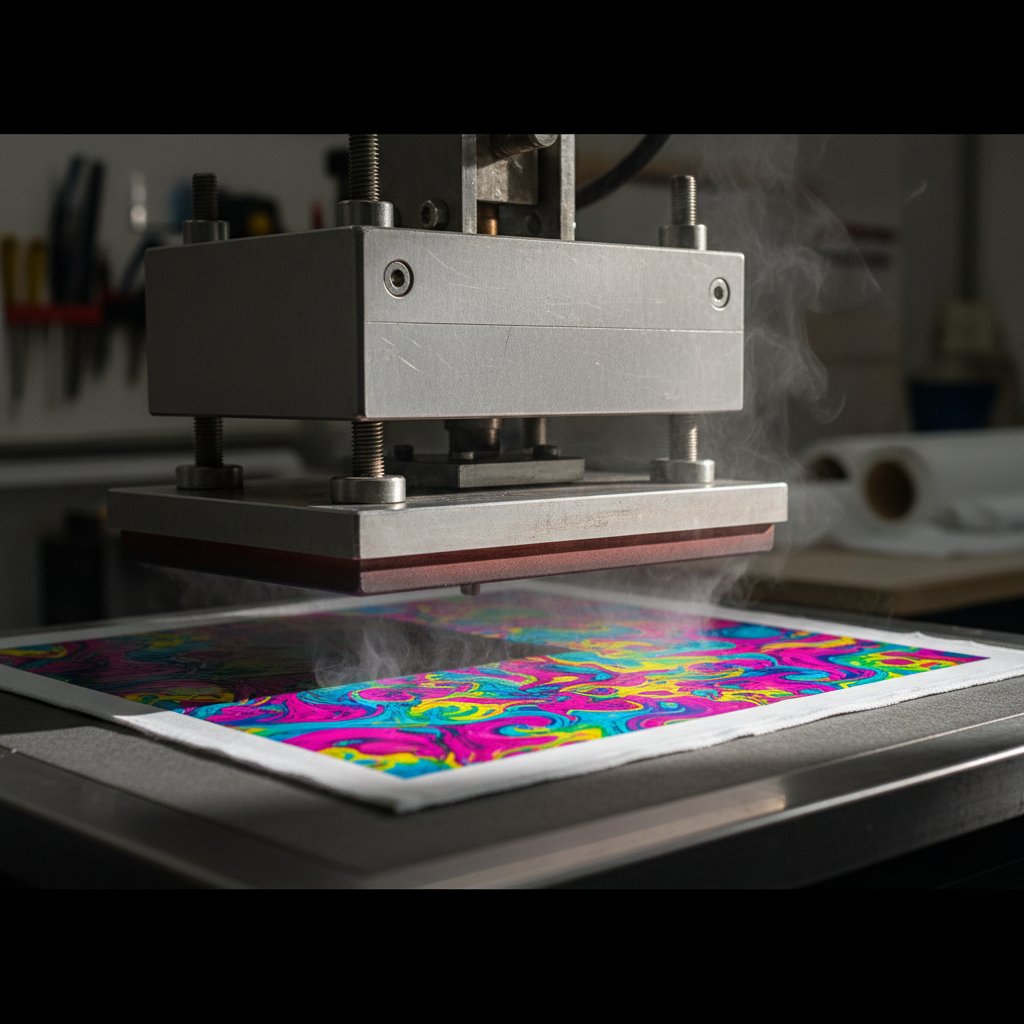
The Expensive Truth About T-Shirt Print Mistakes
Last month, I watched a small business owner literally throw away $800 worth of printed tees because the design cracked after one wash. The heartbreak was real. Whether you're launching a merch line or printing shirts for your local sports team, the gap between DIY printing and professional services isn't just about quality—it's about money walking straight out of your pocket.
Here's the thing: both approaches can drain your bank account if you mess up. Let's break down where people actually lose money and how to avoid becoming another cautionary tale.
The DIY Printing Route: When Cheap Gets Expensive
The Upside
- Lower initial investment: A basic heat press runs $150-300, and you can start with transfer paper at $0.50 per sheet
- Complete creative control: No back-and-forth with vendors, no minimum orders forcing you to buy 50 shirts when you need 12
- Quick turnaround for samples: Test designs in your living room tonight instead of waiting 5-7 business days
- Learn the process: Understanding printing mechanics helps you catch problems before they multiply
Where Your Money Disappears
- The learning curve tax: Expect to ruin 15-20 shirts before you nail the temperature, pressure, and timing. At $4-8 per blank tee, that's $120-160 in education costs
- Equipment upgrades you didn't plan for: That $200 heat press can't handle commercial volume. Six months in, you're buying a $1,200 model
- Durability disasters: Home prints typically last 10-15 washes versus 50+ for screen printing. Returns and replacements destroy your margins
- Time is money nobody calculates: Spending 8 hours to produce what a shop does in 45 minutes might save $50 but cost you $200 in lost opportunities
- Supply waste: That bulk ink cartridge seemed smart until it dried out before you used half
Professional Printing Services: The Hidden Costs Nobody Mentions
The Wins
- Predictable quality: Screen printing delivers consistent results that survive 50+ wash cycles without significant fading
- Bulk pricing that actually works: Per-shirt costs drop from $15 to $7 when you order 100+ units
- No equipment headaches: Zero maintenance costs, no machines gathering dust in your garage
- Professional finishing: Proper curing, color matching, and detail work you can't replicate at home
Where They Get You
- Setup fees are brutal for small runs: $50-100 per color means a 3-color design on 10 shirts costs $25-30 per piece
- Minimum order traps: Forced to buy 24-50 shirts when you need 15, leaving inventory you can't move
- Design revision charges: That "small tweak" costs $35 because they're already set up for the original file
- Rush fees compound fast: Need it in 3 days instead of 10? Add 30-50% to your total
- The "good enough" compromise: Vendors push you toward simpler designs that fit their processes, not your vision
Cost Breakdown: Real Numbers
| Factor | DIY Printing | Professional Service |
|---|---|---|
| Initial Investment | $300-500 for equipment | $0 upfront |
| Per Shirt (25 units) | $6-9 (materials only) | $12-18 (including setup) |
| Per Shirt (100 units) | $5-7 (plus your time) | $7-10 (fully finished) |
| Durability | 10-15 washes typical | 50+ washes standard |
| Time Investment | 3-4 hours per 25 shirts | Zero (except file prep) |
| Mistake Recovery | You eat the cost | Reprints usually covered |
The Money-Saving Reality Check
DIY makes financial sense if you're producing 5-15 shirts monthly for personal projects or testing designs before committing. The break-even point hits around 200 shirts annually—after that, your time and error rate make professional services cheaper.
Professional printing wins when you need 50+ identical shirts, durability matters (think retail or team uniforms), or your design uses 3+ colors. The setup fees hurt less when spread across larger orders.
The biggest money pit? Switching approaches mid-project. Starting DIY, realizing you're in over your head, then rushing to a print shop costs you twice—once for the failed attempt, again for the rush order premium.
Smart money move: Print 5-10 samples yourself to test market response. Once you've got a winner, scale up with professional services. This hybrid approach saved one client $600 on their first launch by avoiding a bulk order of a design that flopped in testing.
Your wallet will thank you for choosing the right method upfront rather than learning these lessons the expensive way.